Chinese Bamboo Weaving
竹编
Shop handwoven Chinese bamboo baskets, tea trays & lamps — sustainable artisan craft from $15. Traditional bamboo weaving techniques refined over millennia. Complete buyer's guide with prices, regional styles & where to buy authentic pieces.
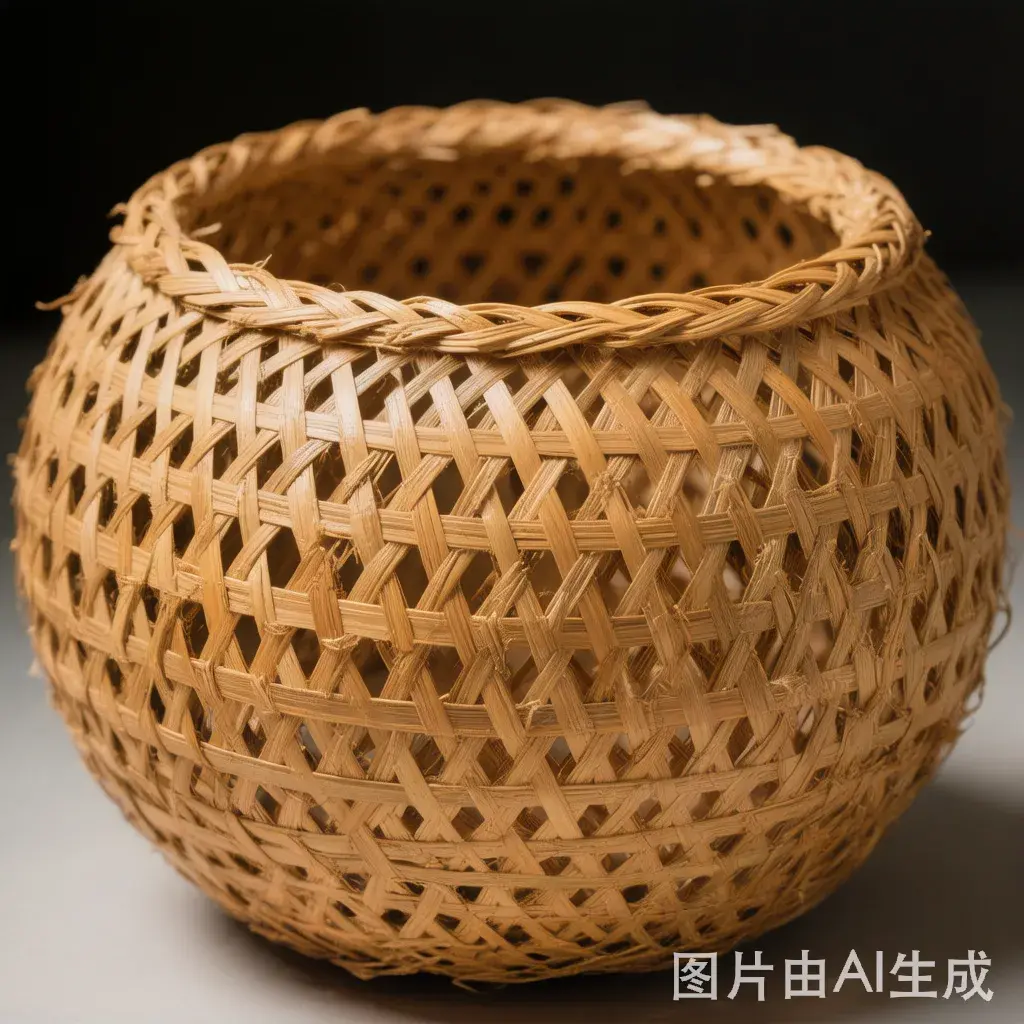
History & Heritage
Bamboo weaving (竹编) in China dates back to the Neolithic period (c. 5000 BCE), with archaeological evidence of bamboo baskets from Hemudu culture sites. The craft evolved alongside Chinese civilization — bamboo's rapid growth, strength, and flexibility made it the ideal material for everything from fishing traps to imperial tribute items. During the Tang and Song dynasties, bamboo weaving reached new heights of refinement, with guilds of master weavers producing pieces for the imperial court. Today, bamboo weaving is experiencing a renaissance as sustainable design gains global prominence.
Bamboo holds deep cultural meaning in China as a symbol of resilience, integrity, and adaptability. It bends without breaking. The craft of bamboo weaving embodies these values — artisans transform humble raw material into objects of lasting beauty. Each region developed unique weaving patterns that serve as a cultural signature.
How Are They Made?
Discover the traditional techniques behind authentic 竹编 craftsmanship.
Material Selection & Processing
The foundation of quality bamboo weaving begins with selecting the right bamboo at the right age and processing it correctly.
- ●Harvest 3-4 year old "green bamboo" in winter (lowest moisture)
- ●Split poles into strips of uniform width
- ●Shave strips to consistent thickness (0.3–2mm)
- ●Boil or steam to increase flexibility and prevent pests
- ●Sort by color, thickness, and flexibility grade
Core Weaving Patterns
Master weavers use dozens of distinct patterns — each with specific applications, strengths, and aesthetic qualities.
- ●Plain weave (平编): basic criss-cross for baskets
- ●Twill weave (斜编): diagonal patterns for flexibility
- ●Hexagonal weave (六角编): open lattice for strainers
- ●Thousand-strand weave (千丝编): ultra-fine strips for art pieces
- ●Porcelain-wrapped bamboo (瓷胎竹编): Sichuan specialty wrapping ceramic cores
Finishing & Assembly
The final steps transform woven components into complete, polished products ready for use or display.
- ●Trim edges and tuck in loose ends
- ●Apply natural lacquer or oil finish for protection
- ●Heat-treat for color (creates warm golden patina)
- ●Assemble multi-component pieces with joinery
- ●Quality inspection for smooth edges and consistent weave
See Bamboo Weaving in Action
Watch master artisans demonstrate traditional 竹编 techniques — from raw materials to finished work.
Watch on YouTubeRegional Styles
Each region in China brings its own distinct character to the craft.
Sichuan (四川)
四川竹编Famous for "porcelain-wrapped bamboo" (瓷胎竹编) — bamboo strips woven directly onto ceramic bodies. Also known for ultra-fine thousand-strand weaving used in luxury tea accessories.
Zhejiang (浙江)
浙江竹编Dongyang bamboo weaving is recognized as National Intangible Cultural Heritage. Known for intricate pictorial weaves and architectural-scale installations.
Fujian (福建)
福建竹编Bold, structural pieces emphasizing the natural beauty of bamboo. Large-scale furniture and architectural elements with visible joinery.
Anhui (安徽)
安徽竹编Scholars' objects — brush pots, scroll holders, and desk accessories prized by the Chinese literati class for their restrained elegance.
How to Identify Quality Bamboo Weaving
Expert tips to help you distinguish authentic craftsmanship from mass-produced imitations.
Price Guide
Understand what you should expect to pay at each quality tier.
| Tier | Price |
|---|---|
| Small Accessories | $10–40 |
| Household Items | $40–150 |
| Premium Craft | $150–600 |
| Master / Art Grade | $600–3,000+ |
Tea scoops, coasters, small baskets, phone stands
Medium baskets, storage boxes, trays, lampshades
Thousand-strand weaves, porcelain-wrapped bamboo, furniture
Museum-quality works by recognized masters, architectural installations
Where to Buy Authentic Bamboo Weaving
Curated marketplaces and trusted sources for authentic 竹编.
Etsy
Best for artisan-made pieces. Many weavers sell directly with detailed process photos.
Amazon
Good for practical household bamboo items with fast shipping.
AliExpress
Wide selection direct from Chinese bamboo-producing regions at low prices.
Museum Stores
Curated selections at Asian Art Museum, Peabody Essex, and Victoria & Albert.
Frequently Asked Questions
Care & Maintenance
Preserve the beauty of your 竹编 for generations with proper care.
Did You Know?
Sichuan's "porcelain-wrapped bamboo" technique uses strips as thin as 0.3mm — finer than a human hair
The world's largest bamboo weaving installation covers over 10,000 square meters
Some traditional bamboo fish traps from 2,000 years ago have been found intact in Chinese archaeological sites
Bamboo's tensile strength rivals steel, making it suitable for construction scaffolding
Ready to Start Your Collection?
Browse our detailed buying guides with side-by-side price comparisons, seller reviews, and expert recommendations for authentic 竹编.
Recommended Bamboo Weaving Products
Hand-picked selections from trusted marketplaces.As an Amazon Associate, GuochaoCraft earns from qualifying purchases....
Handwoven Bamboo Storage Basket Set
Traditional weave bamboo baskets, handcrafted by Chinese artisans. Functional and beautiful.
Artisan Bamboo Tea Ceremony Tray
Fine bamboo tea tray with traditional patterns, perfect for gongfu tea ceremony.
Woven Bamboo Pendant Lamp
Handwoven bamboo pendant light shade, creates stunning shadow patterns when illuminated.
Related Buying Guides for Bamboo Weaving
Bamboo Weaving vs Rattan: Which Natural Material Is Right for You?
Compare bamboo and rattan weaving — material properties, durability, aesthetics, and which is better for different home ...
Bamboo WeavingChinese Bamboo Weaving: A Complete Beginner's Guide
New to Chinese bamboo weaving? Learn the history, techniques, what to look for, and how to start your collection with co...
Bamboo Weaving10 Best Chinese Bamboo Weaving Gifts for Every Occasion
Looking for unique gifts? Discover the best Chinese bamboo weaving to give — from affordable stocking stuffers to heirlo...
About This Guide
The GuochaoCraft team researches and documents Chinese traditional handicrafts through first-hand visits to artisan workshops, museum collections, and cultural heritage sites. Every guide is fact-checked against academic sources and UNESCO Intangible Cultural Heritage documentation.