Chinese Suzhou Embroidery
苏绣
Buy authentic Suzhou silk embroidery — from $25 hand-stitched coasters to $1,000+ double-sided museum pieces. China's most refined textile art, 2,000-year tradition. Price guide, authenticity tips & trusted sellers for collectors.
History & Heritage
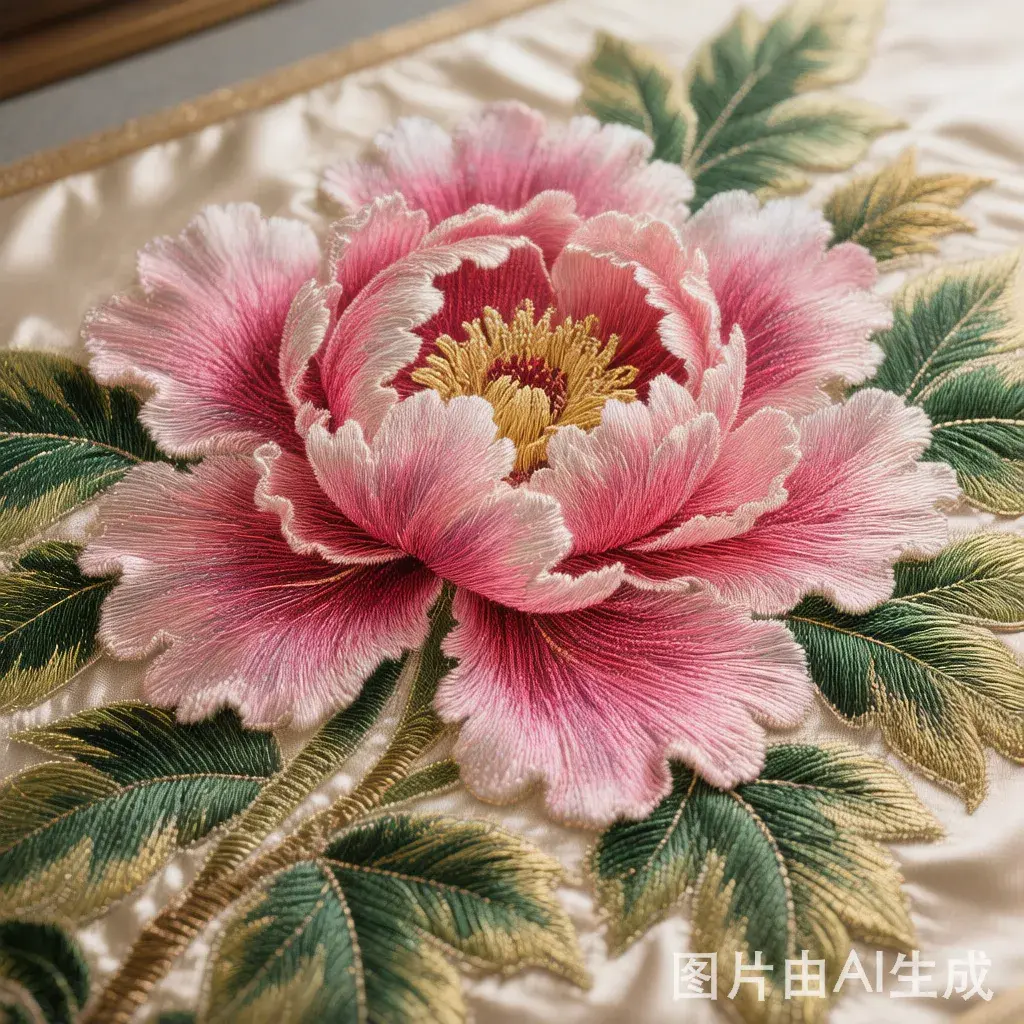
Suzhou embroidery (苏绣) has flourished for over 2,000 years in the city of Suzhou, known as "paradise on earth" for its gardens, silk, and artistic traditions. It emerged as one of China's "Four Great Embroideries" alongside Hunan (Xiang), Sichuan (Shu), and Guangdong (Yue) traditions. During the Song dynasty (960–1279), Suzhou embroidery reached imperial recognition, and the Ming and Qing courts commissioned elaborate silk tapestries from Suzhou workshops. The art form continued evolving through the 20th century with innovations in double-sided embroidery — the ability to create different images on each side of a single silk panel.
Suzhou embroidery represents the pinnacle of Chinese textile artistry. Passed through master-apprentice lineages spanning generations, it embodies the Chinese aesthetic values of subtlety, precision, and harmony with nature. A masterwork can take 6–12 months to complete, with the embroiderer making an estimated 10,000–50,000 stitches per square inch. UNESCO recognized Suzhou embroidery as Intangible Cultural Heritage in 2006.
How Are They Made?
Discover the traditional techniques behind authentic 苏绣 craftsmanship.
Thread Splitting (劈丝)
The defining skill of Suzhou embroidery — splitting a single silk filament into up to 48 individual strands for microscopic precision.
- ●Select raw silk thread from mulberry silkworms
- ●Soak thread to soften the natural sericin coating
- ●Split into 2, 4, 8, 16, 32, or 48 strands using specialized tools
- ●Each strand is thinner than a human hair (≈0.01mm)
- ●Match strand count to the detail required
Stitch Techniques
Over 40 distinct stitch types — each suited for specific effects from smooth gradients to textured three-dimensional surfaces.
- ●Flat stitch (平绣): smooth surface for backgrounds
- ●Random stitch (乱针绣): overlapping layers for realistic shading
- ●Ring stitch (套针): concentric rings for flowers and circles
- ●Lock stitch (锁绣): chain-like effect for outlines
- ●Seed stitch (打籽绣): tiny knots for textured effects like animal fur
Double-Sided Embroidery (双面绣)
The ultimate test of Suzhou mastery — embroidering different images on each side of transparent silk without any trace of the opposite design.
- ●Mount transparent silk on a double-sided frame
- ●Plan both front and back images simultaneously
- ●Hide thread endings within the fabric body
- ●Work from both sides alternately
- ●Each side should appear as if embroidered independently
See Suzhou Embroidery in Action
Watch master artisans demonstrate traditional 苏绣 techniques — from raw materials to finished work.
Watch on YouTubeRegional Styles
Each region in China brings its own distinct character to the craft.
Suzhou Classical (苏州传统)
传统苏绣Nature themes — flowers, birds, landscapes — with subtle color gradations. The "cat" and "goldfish" are iconic Suzhou subjects demonstrating ultimate skill in fur and scale rendering.
Nantong Simulation (南通仿真)
南通仿真绣Photorealistic approach developed by Shen Shou in the early 1900s. Painterly effects mimicking Western oil painting techniques through thread.
Wuxi Fine Silk (无锡精微)
无锡精微绣Microscopic embroidery on tiny silk pieces — some works fit on a fingernail yet contain complete landscape scenes visible only under magnification.
Changzhou Lacing (常州乱针)
常州乱针绣Modern "chaotic stitch" technique using thousands of short, overlapping random stitches to create impressionistic texture and depth.
How to Identify Quality Suzhou Embroidery
Expert tips to help you distinguish authentic craftsmanship from mass-produced imitations.
Price Guide
Understand what you should expect to pay at each quality tier.
| Tier | Price |
|---|---|
| Machine-Made | $20–80 |
| Hand-Embroidered Basic | $100–500 |
| Master-Level | $500–5,000 |
| Museum / Living Treasure | $5,000–50,000+ |
Uniform stitching on synthetic fabric, mass-produced patterns
Hand work on silk fabric, simple to moderate complexity, 5-15 thread colors
Double-sided or multi-thread technique, 30-50+ colors, 3-12 months to produce
Works by nationally designated Intangible Heritage masters, exhibition-grade
Where to Buy Authentic Suzhou Embroidery
Curated marketplaces and trusted sources for authentic 苏绣.
Etsy
Best online source for hand-embroidered pieces direct from Suzhou artisans
Amazon
Machine-embroidered decorative pieces and beginner-friendly options
Museum Shops
Shanghai Museum, Suzhou Museum, and major Chinese art museum stores
Suzhou Silk Street (苏州丝绸街)
The historic embroidery market in Suzhou — hundreds of shops from workshops to galleries
Frequently Asked Questions
Care & Maintenance
Preserve the beauty of your 苏绣 for generations with proper care.
Did You Know?
The thinnest Suzhou thread is invisible to the naked eye — masters work by touch and magnification
A double-sided embroidery of a cat by master Shen Shou won the gold medal at the 1915 Panama-Pacific Exposition
Some contemporary Suzhou artists incorporate real human hair alongside silk for unique texture
The 5,000 stitch-per-square-inch density in masterworks is comparable to the resolution of a high-end inkjet printer
Ready to Start Your Collection?
Browse our detailed buying guides with side-by-side price comparisons, seller reviews, and expert recommendations for authentic 苏绣.
Recommended Suzhou Embroidery Products
Hand-picked selections from trusted marketplaces.GuochaoCraft may earn a commission from qualifying purchases through affiliate l...
Suzhou Silk Embroidery — Double-Sided Cat
Iconic Suzhou double-sided silk embroidery featuring a lifelike cat. Museum-quality craftsmanship.
Silk Embroidery Coaster Set (4-Pack)
Set of 4 hand-embroidered silk coasters with floral patterns. Affordable Suzhou embroidery entry.
Hand-Embroidered Silk Scarf
Elegant silk scarf embroidered with traditional floral motifs. Wearable Suzhou art.
Related Buying Guides for Suzhou Embroidery
Chinese Suzhou Embroidery: A Complete Beginner's Guide
New to Chinese suzhou embroidery? Learn the history, techniques, what to look for, and how to start your collection with...
Suzhou Embroidery10 Best Chinese Suzhou Embroidery Gifts for Every Occasion
Looking for unique gifts? Discover the best Chinese suzhou embroidery to give — from affordable stocking stuffers to hei...
Suzhou EmbroideryChinese Suzhou Embroidery Price Guide: From Budget to Collector
Complete suzhou embroidery price breakdown. Learn what affects suzhou embroidery pricing — materials, craftsmanship, reg...
About This Guide
The GuochaoCraft team researches and documents Chinese traditional handicrafts through first-hand visits to artisan workshops, museum collections, and cultural heritage sites. Every guide is fact-checked against academic sources and UNESCO Intangible Cultural Heritage documentation.