Chinese Lacquerware
漆器
Shop authentic Chinese lacquerware — carved cinnabar jewelry boxes, trays & decor from $30. 7,000-year craft using natural lacquer sap. Complete buyer's guide: prices, real vs synthetic, where to buy from trusted sellers.
History & Heritage
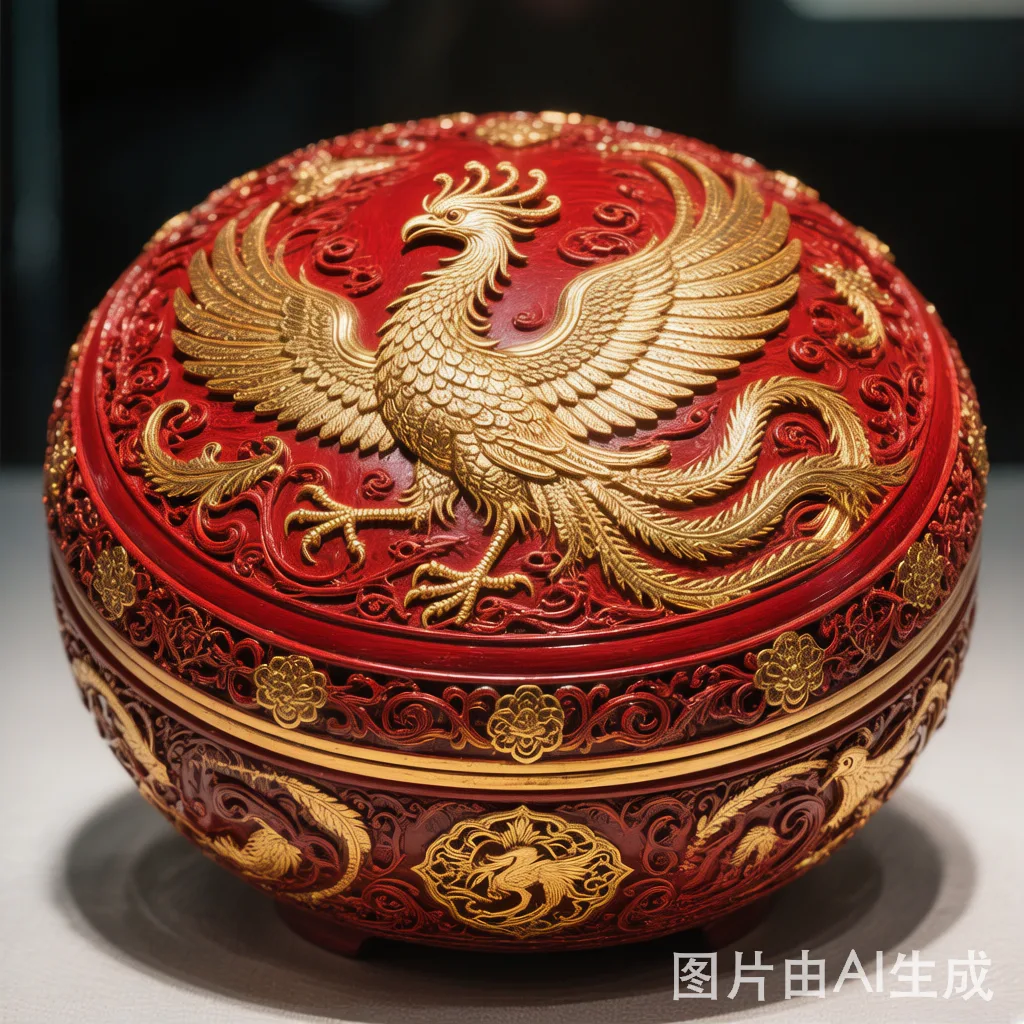
Chinese lacquerware (漆器) is the world's oldest continuous lacquer tradition, dating back to the Hemudu culture (c. 5000 BCE). The earliest surviving lacquer piece — a red lacquer wooden bowl — was discovered at a Zhejiang archaeological site. During the Warring States period (475–221 BCE), lacquer became a status symbol rivaling bronze. The Han dynasty saw lacquerware exported along the Silk Road. Ming and Qing courts commissioned elaborate carved lacquer pieces that required years to complete. The art form combines chemistry (lacquer's unique curing process), sculpture (carving through dozens of layers), and painting (applied with brushwork precision).
Lacquerware represents the Chinese appreciation for objects that reward slow observation. Its depth cannot be captured in a photograph — the experience of holding a lacquer piece reveals subtle plays of light within its translucent layers. In Chinese philosophy, this embodies the value of inner depth (内涵) over surface appearance. Each piece is unique due to lacquer's living quality — it continues to cure and change subtly over decades.
How Are They Made?
Discover the traditional techniques behind authentic 漆器 craftsmanship.
Raw Lacquer Harvesting & Processing
The foundation of authentic lacquerware — harvesting sap from the lacquer tree (Toxicodendron vernicifluum) and processing it for use.
- ●Tap lacquer trees (June-October) to collect raw sap
- ●Filter raw sap to remove impurities
- ●Heat-treat to adjust viscosity and drying properties
- ●Mix with natural pigments (cinnabar for red, iron oxide for black)
- ●Store in airtight containers — lacquer cures on contact with humid air
Layer Application (髹漆)
Each layer is applied by hand, then cured in a humidity-controlled chamber before the next layer is added — a process that can take months.
- ●Apply base coat to prepared wood/bamboo core
- ●Cure in humidity chamber (25-30°C, 75-85% RH) for 24-48 hours
- ●Sand between layers with progressively finer abrasives
- ●Build up 30-100+ layers depending on technique
- ●Final polishing reveals depth and luster
Decorative Techniques
Master artisans apply decorative techniques that transform lacquer pieces into works of art.
- ●Carved lacquer (雕漆): carve patterns through colored layers
- ●Mother-of-pearl inlay (螺钿): embed iridescent shell fragments
- ●Gold painting (描金): apply gold powder over lacquer background
- ●Marbled lacquer (犀皮): create swirling multicolor patterns
- ●Gold-leaf application (贴金): apply tissue-thin gold sheets
See Lacquerware in Action
Watch master artisans demonstrate traditional 漆器 techniques — from raw materials to finished work.
Watch on YouTubeRegional Styles
Each region in China brings its own distinct character to the craft.
Beijing (北京)
北京雕漆Imperial carved lacquer tradition — bold red cinnabar (tihong) with deeply carved dragon and phoenix motifs. Pieces can have 100+ lacquer layers taking 2+ years to build.
Fujian (福建)
福建脱胎漆器Bodiless lacquer technique — lacquer-soaked fabric built up on a clay mold, then the mold is removed leaving a hollow, lightweight form. Known for marbled and gold-painted surfaces.
Yangzhou (扬州)
扬州漆器Scholarly elegance with mother-of-pearl inlay and gold painting. Landscape scenes, calligraphy, and literati motifs on boxes, screens, and scholar's objects.
Pingyao (平遥)
平遥推光漆器Famous for high-gloss polished lacquer with hand-painted narrative scenes. The "push-gloss" (推光) technique creates mirror-like surfaces through repeated palm-polishing.
How to Identify Quality Lacquerware
Expert tips to help you distinguish authentic craftsmanship from mass-produced imitations.
Price Guide
Understand what you should expect to pay at each quality tier.
| Tier | Price |
|---|---|
| Entry Lacquer | $30–100 |
| Mid-Range | $100–500 |
| Premium | $500–3,000 |
| Antique / Museum | $3,000–20,000+ |
Small boxes and coasters with 10-20 lacquer layers, simple patterns
Medium pieces with inlay work, 30-50 lacquer layers, recognized artisan
Large pieces with complex decoration, 60-100+ layers, signed by master
Pre-1900 pieces with provenance, documented workshop origin, exhibition history
Where to Buy Authentic Lacquerware
Curated marketplaces and trusted sources for authentic 漆器.
Etsy
Direct access to lacquer artisans from Fujian and Yangzhou
Amazon / AliExpress
Affordable machine-lacquered decorative items
Asian Art Galleries
Specialist dealers in Beijing, Shanghai, Hong Kong, and international art capitals
Museum Shops
Shanghai Museum, National Museum of China, Palace Museum gift shops
Frequently Asked Questions
Care & Maintenance
Preserve the beauty of your 漆器 for generations with proper care.
Did You Know?
The oldest lacquer object ever discovered — a 7,000-year-old red bowl — was found in Zhejiang, China in 1978
In the Han dynasty, a lacquer cup cost as much as ten bronze cups — lacquer was a luxury material
The urushiol in raw lacquer is the same compound that makes poison ivy cause rashes
Lacquer's curing process is unique in the material world — it's neither drying nor heating, but a humidity-activated polymerization
Ready to Start Your Collection?
Browse our detailed buying guides with side-by-side price comparisons, seller reviews, and expert recommendations for authentic 漆器.
Recommended Lacquerware Products
Hand-picked selections from trusted marketplaces.GuochaoCraft may earn a commission from qualifying purchases through affiliate l...
Carved Cinnabar Lacquer Jewelry Box
Traditional cinnabar-red carved lacquer box with detailed floral or phoenix motif. Multi-layer craftsmanship.
Chinese Lacquerware Coaster Set (6-Pack)
Beautiful gold-trimmed lacquer coasters with traditional patterns. Durable, heat-resistant.
Related Buying Guides for Lacquerware
Chinese vs Japanese Lacquerware: Key Differences and Which to Collect
Comparing Chinese and Japanese lacquer traditions — materials, techniques, aesthetics, and collecting advice....
LacquerwareChinese Lacquerware: A Complete Beginner's Guide
New to Chinese lacquerware? Learn the history, techniques, what to look for, and how to start your collection with confi...
Lacquerware10 Best Chinese Lacquerware Gifts for Every Occasion
Looking for unique gifts? Discover the best Chinese lacquerware to give — from affordable stocking stuffers to heirloom-...
About This Guide
The GuochaoCraft team researches and documents Chinese traditional handicrafts through first-hand visits to artisan workshops, museum collections, and cultural heritage sites. Every guide is fact-checked against academic sources and UNESCO Intangible Cultural Heritage documentation.