Chinese Paper Cutting
剪纸
Buy Chinese paper cutting art — authentic hand-cut jianzhi from $5. Traditional folk art with 1,500-year history, recognized by UNESCO. Complete guide: red paper cuts, framed art, wedding 囍 designs & trusted online sellers.
History & Heritage
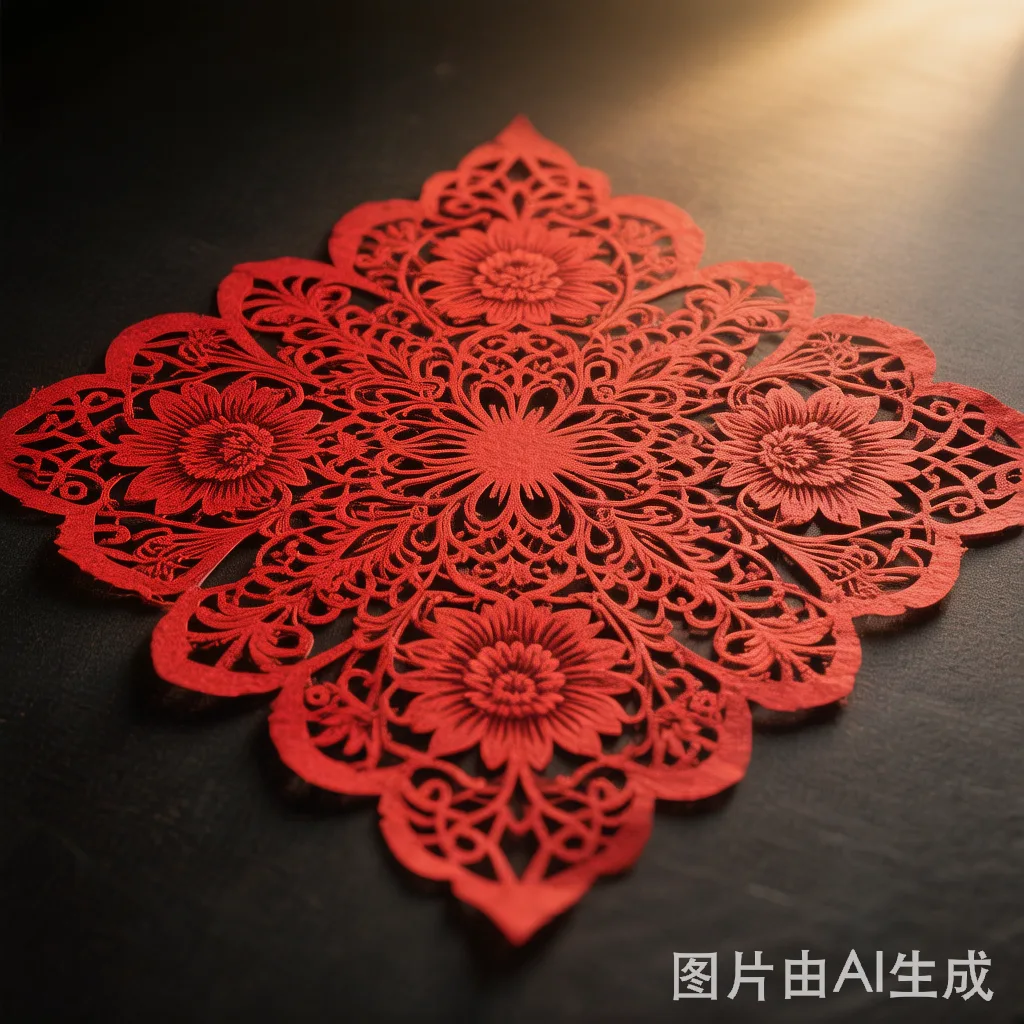
Chinese paper cutting (剪纸, Jiǎnzhǐ) emerged in the 6th century after Cai Lun's invention of paper. Initially a privilege of the wealthy, it became a widespread folk art by the Tang dynasty (618–907). Women in rural communities passed cutting patterns from mother to daughter for generations. During the Song dynasty, paper cutting became a professional craft with specialized artisans. The art form decorated windows, doors, lanterns, and gifts — serving both decorative and ritual functions in Chinese daily life.
Paper cuts are deeply embedded in Chinese folk culture. Red paper cuts adorn windows during Spring Festival (春节) to invite good fortune. Wedding paper cuts featuring the "Double Happiness" character (囍) bless new couples. Funeral paper cuts express grief and hope for the afterlife. Each motif carries centuries of symbolic meaning — a visual language that connects modern Chinese to their cultural roots. UNESCO recognized Chinese paper cutting as Intangible Cultural Heritage in 2009.
How Are They Made?
Discover the traditional techniques behind authentic 剪纸 craftsmanship.
Scissor Cutting (剪)
The traditional method using a single pair of scissors to cut folded paper — creating symmetrical designs that unfold into magical patterns.
- ●Select paper (red for celebrations, black for contrast)
- ●Fold paper into 2, 4, or 8 layers
- ●Draw or mentally visualize the pattern
- ●Cut with scissors in a continuous motion
- ●Unfold to reveal the symmetrical masterpiece
Knife Cutting (刻)
Using a fine craft knife on multiple stacked sheets to produce intricate, repeatable designs with exceptional detail.
- ●Stack 10-30 sheets of thin paper
- ●Place pattern template on top
- ●Secure the stack with pins
- ●Cut through all layers with a fine knife
- ●Separate individual pieces carefully
Mixed Technique
Contemporary artists combine scissor and knife cutting with painting, dyeing, and layering to create multi-dimensional works.
- ●Create base cut with scissors or knife
- ●Apply watercolor or dye washes
- ●Layer multiple paper cuts for depth
- ●Mount on contrasting background
- ●Add calligraphy or seal for completion
See Paper Cutting in Action
Watch master artisans demonstrate traditional 剪纸 techniques — from raw materials to finished work.
Watch on YouTubeRegional Styles
Each region in China brings its own distinct character to the craft.
Northern Style (北方)
北方剪纸Bold, strong lines with simple, powerful compositions. Themes include rural life, zodiac animals, and auspicious symbols. Typically single-color (red or black).
Southern Style (南方)
南方剪纸Delicate, intricate, lace-like cutting with fine details. Floral patterns, landscapes, and narrative scenes. Often multi-colored with painted accents.
Yuxian (蔚县)
蔚县剪纸Unique dye-painted paper cuts — white paper is carved then hand-colored with vibrant vegetable dyes. Known for opera character portraits and dramatic coloring.
Foshan (佛山)
佛山剪纸Uses bronze foil, copper sheet, and colored paper for luxurious metallic effects. Known for intricate blessing characters and Buddhist motifs.
How to Identify Quality Paper Cutting
Expert tips to help you distinguish authentic craftsmanship from mass-produced imitations.
Price Guide
Understand what you should expect to pay at each quality tier.
| Tier | Price |
|---|---|
| Small Single Cuts | $5–20 |
| Framed Medium | $20–80 |
| Commissioned Works | $100–500 |
| Master / Museum | $500–3,000+ |
Simple zodiac or character cuts, 10-15cm
Larger single or multi-panel cuts, professionally framed
Custom designs by recognized artists, up to 1m size
Original works by nationally recognized Intangible Heritage bearers
Where to Buy Authentic Paper Cutting
Curated marketplaces and trusted sources for authentic 剪纸.
Etsy
Best source for original hand-cut paper art by Chinese artisans
Amazon
Affordable decorative options and DIY paper cutting kits
Museum Shops
Asian Art Museum, China Institute, and cultural center gift shops
Cultural Markets
Beijing Panjiayuan, Shanghai Yuyuan, temple fairs during Spring Festival
Frequently Asked Questions
Care & Maintenance
Preserve the beauty of your 剪纸 for generations with proper care.
Did You Know?
The world's largest paper cut spanned 456 square meters — the size of a basketball court
Paper cutting is one of the few Chinese folk arts where women have always been the primary creators
"Window flowers" (窗花) were traditionally replaced every Spring Festival — making each year's cut a fresh creation
The paper cut art form contributed to the development of Chinese shadow puppetry and paper lanterns
Ready to Start Your Collection?
Browse our detailed buying guides with side-by-side price comparisons, seller reviews, and expert recommendations for authentic 剪纸.
Recommended Paper Cutting Products
Hand-picked selections from trusted marketplaces.As an Amazon Associate, GuochaoCraft earns from qualifying purchases....
Traditional Red Paper Cut Window Set
Set of 6 red paper cuts featuring classic Chinese motifs — 福, zodiac, flowers. Perfect for Spring Festival.
Framed Double Happiness Paper Cut
Original hand-cut 囍 (double happiness) design, framed with UV glass. Perfect wedding or housewarming gift.
Related Buying Guides for Paper Cutting
Chinese Paper Cutting: A Complete Beginner's Guide
New to Chinese paper cutting? Learn the history, techniques, what to look for, and how to start your collection with con...
Paper Cutting10 Best Chinese Paper Cutting Gifts for Every Occasion
Looking for unique gifts? Discover the best Chinese paper cutting to give — from affordable stocking stuffers to heirloo...
Paper CuttingChinese Paper Cutting Price Guide: From Budget to Collector
Complete paper cutting price breakdown. Learn what affects paper cutting pricing — materials, craftsmanship, region, and...
About This Guide
The GuochaoCraft team researches and documents Chinese traditional handicrafts through first-hand visits to artisan workshops, museum collections, and cultural heritage sites. Every guide is fact-checked against academic sources and UNESCO Intangible Cultural Heritage documentation.