Chinese Chinese Ceramics
陶瓷
Buy Jingdezhen porcelain, Yixing teapots & celadon ceramics — from $15 tea cups to museum-grade vases. World's most influential ceramic tradition, 20,000-year history. Complete guide: prices, authenticity & where to shop authentic pieces.
History & Heritage
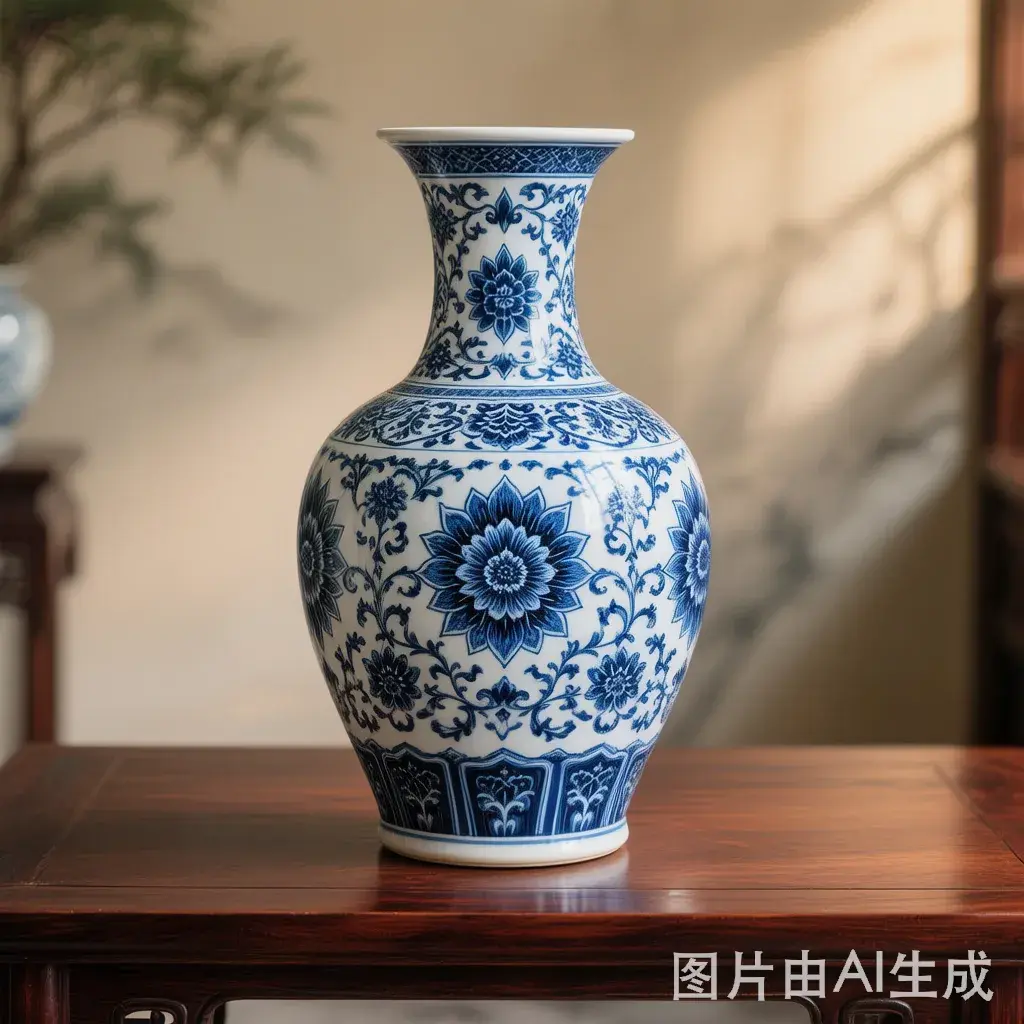
Chinese ceramic history spans over 20,000 years, from Neolithic earthenware to the invention of porcelain during the Tang dynasty (618–907). Jingdezhen in Jiangxi province has been the world's porcelain capital since the Song dynasty (960–1279), its kilns producing the "white gold" that fueled global trade along the Maritime Silk Road. The blue-and-white porcelain mastered during the Yuan dynasty (1271–1368) represents perhaps the most influential style in ceramic history — copied by potters from Persia to the Netherlands. Yixing's zisha (purple clay) teapots emerged during the Ming dynasty as the preferred vessel for tea connoisseurs, prized for their ability to enhance tea flavor through use.
Ceramics represent the Chinese mastery of the "five elements" philosophy — earth (clay), water (shaping), fire (kiln), metal (glaze minerals), and wood (kiln fuel). The phrase "china" itself derives from the global recognition of Chinese porcelain excellence. For over a millennium, Chinese ceramics set the standard that potters worldwide aspired to match. Today, Jingdezhen alone hosts over 10,000 ceramic studios, combining ancient techniques with contemporary design.
How Are They Made?
Discover the traditional techniques behind authentic 陶瓷 craftsmanship.
Clay Preparation
The foundation of all ceramics — selecting, processing, and aging clay bodies specific to each ceramic type.
- ●Mine and weather raw clay (months to years of aging)
- ●Levigation: wash clay to remove impurities
- ●Knead to remove air bubbles and achieve uniform consistency
- ●Age prepared clay in humid storage (improves plasticity)
- ●Blend different clays for specific firing characteristics
Forming & Glazing
From wheel throwing to hand-building, each forming method produces distinct character. Glazing transforms clay into waterproof, lustrous ceramic.
- ●Wheel throwing: center clay, pull walls, refine shape
- ●Hand-building: slab, coil, or pinch methods
- ●Trim and refine leather-hard pieces
- ●Bisque fire at 800-1000°C
- ●Apply glaze (dip, pour, spray, or brush)
- ●Glaze fire at 1200-1400°C
Decorating Techniques
Chinese ceramics employ an extraordinary range of decorative methods developed over millennia.
- ●Underglaze painting (青花): cobalt blue on white body
- ●Overglaze enamels (粉彩): colored enamels over fired glaze
- ●Celadon (青瓷): iron-oxide glaze for jade-like green
- ●Crackle glaze (开片): controlled crazing for antique effect
- ●Kiln transmutation (窑变): unpredictable flame effects in reduction firing
See Chinese Ceramics in Action
Watch master artisans demonstrate traditional 陶瓷 techniques — from raw materials to finished work.
Watch on YouTubeRegional Styles
Each region in China brings its own distinct character to the craft.
Jingdezhen (景德镇)
景德镇瓷器The world porcelain capital. Famous for blue-and-white (青花), famille rose (粉彩), and eggshell-thin "bodiless" porcelain. Over 1,700 years of continuous kiln operation.
Yixing (宜兴)
宜兴紫砂Unique zisha (purple clay) from Huanglong Mountain. Unglazed stoneware teapots prized by tea connoisseurs. The porous clay absorbs tea oils, enhancing flavor with each use.
Longquan (龙泉)
龙泉青瓷Celadon mastery — thick, translucent jade-green glazes achieved through iron oxide reduction firing. Recognized by UNESCO as Intangible Cultural Heritage in 2009.
Dehua (德化)
德化白瓷"Blanc de Chine" — pure white porcelain with ivory-like translucency. Famous for Buddhist and Taoist deity figures, especially the compassionate Guanyin.
How to Identify Quality Chinese Ceramics
Expert tips to help you distinguish authentic craftsmanship from mass-produced imitations.
Price Guide
Understand what you should expect to pay at each quality tier.
| Tier | Price |
|---|---|
| Studio Production | $15–80 |
| Artisan Grade | $80–500 |
| Master / Limited Edition | $500–5,000 |
| Antique / Imperial | $5,000–1,000,000+ |
Small-scale workshop pieces, simple blue-and-white or celadon glazes
Signed pieces by recognized artisans, complex decoration or glazes
Works by award-winning masters, limited editions, complex techniques
Tang to Qing dynasty pieces with imperial marks, auction provenance
Where to Buy Authentic Chinese Ceramics
Curated marketplaces and trusted sources for authentic 陶瓷.
Etsy
Direct from Jingdezhen and Yixing studio potters — best for contemporary pieces
Amazon / AliExpress
Mass-market blue-and-white, celadon, and tea sets at accessible prices
Tea Specialty Shops
Curated Yixing teapots from known studios — best for tea enthusiasts
Auction Houses
Sotheby's, Christie's, and Poly Auction for investment-grade antiques
Frequently Asked Questions
Care & Maintenance
Preserve the beauty of your 陶瓷 for generations with proper care.
Did You Know?
Jingdezhen has been continuously producing ceramics for over 1,700 years — the longest-running industrial operation in human history
During the Ming dynasty, Jingdezhen had over 3,000 kilns operating simultaneously
The blue in blue-and-white porcelain came from Persian cobalt — a testament to Silk Road trade
The formula for true Chinese "imperial yellow" glaze was a state secret for centuries, punishable by death if revealed
Ready to Start Your Collection?
Browse our detailed buying guides with side-by-side price comparisons, seller reviews, and expert recommendations for authentic 陶瓷.
Recommended Chinese Ceramics Products
Hand-picked selections from trusted marketplaces.As an Amazon Associate, GuochaoCraft earns from qualifying purchases....
Blue-and-White Porcelain Teacup Set
Jingdezhen-style blue-and-white porcelain teacups with traditional hand-painted floral motifs.
Authentic Yixing Zisha Teapot (150-250ml)
Handmade Yixing purple clay teapot by skilled artisan. Ideal for oolong, pu-erh, and black teas.
Jingdezhen Porcelain Vase (Artisan)
Hand-painted porcelain vase by Jingdezhen studio artist. Traditional blue-and-white or famille rose.
Related Buying Guides for Chinese Ceramics
Chinese Ceramics: A Complete Beginner's Guide
New to Chinese chinese ceramics? Learn the history, techniques, what to look for, and how to start your collection with ...
Chinese Ceramics10 Best Chinese Ceramics Gifts for Every Occasion
Looking for unique gifts? Discover the best Chinese chinese ceramics to give — from affordable stocking stuffers to heir...
Chinese CeramicsChinese Ceramics Price Guide: From Budget to Collector
Complete chinese ceramics price breakdown. Learn what affects chinese ceramics pricing — materials, craftsmanship, regio...
About This Guide
The GuochaoCraft team researches and documents Chinese traditional handicrafts through first-hand visits to artisan workshops, museum collections, and cultural heritage sites. Every guide is fact-checked against academic sources and UNESCO Intangible Cultural Heritage documentation.